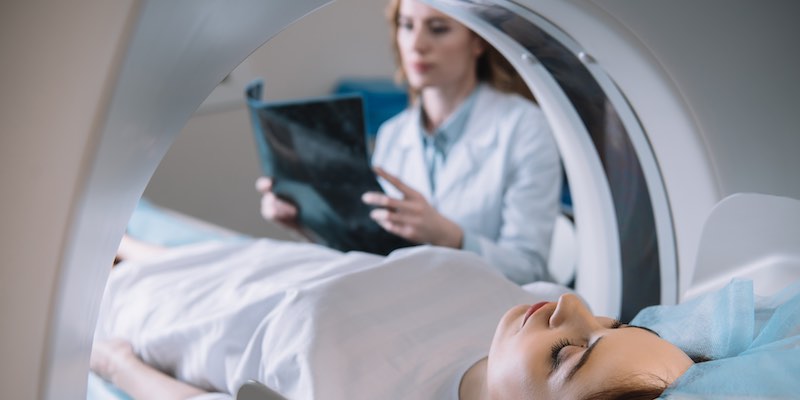
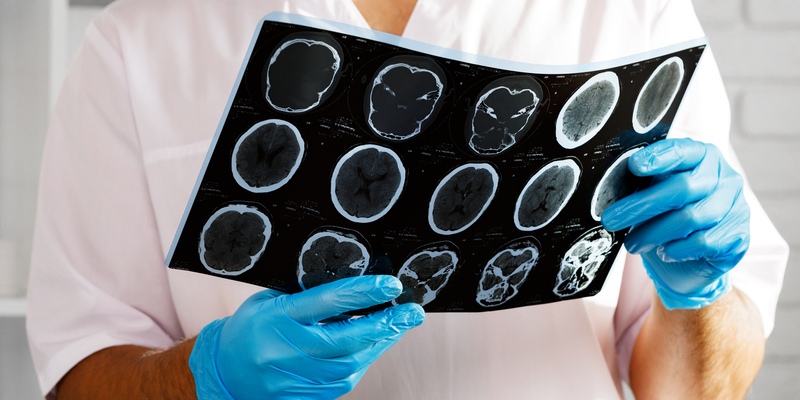
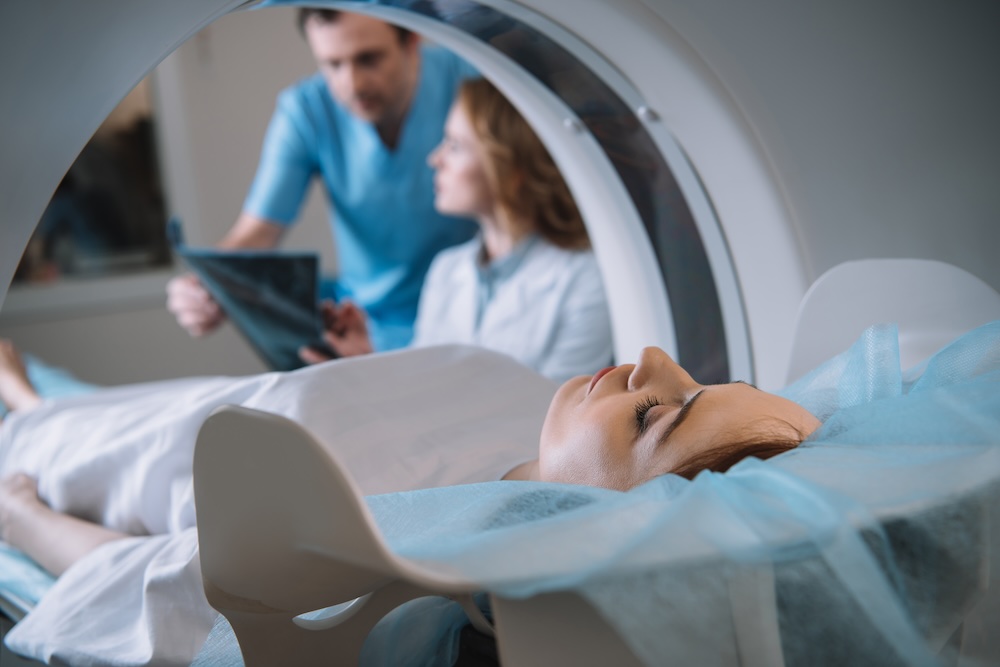
When most people think about medical imaging after an accident, X-rays are usually the first thing that comes to mind. While X-rays are great at showing fractures and other bone-related injuries, they fall short when it comes to the complex web of muscles, ligaments, nerves, and soft tissues that often bear the brunt of trauma. That’s where MRI—Magnetic Resonance Imaging—comes in. For patients dealing with lingering pain, numbness, or unexplained symptoms after a car crash, slip and fall, or workplace injury, MRI offers a much deeper look beneath the surface.
MRI technology allows physicians like Dr. Wagner to pinpoint injuries that traditional imaging might miss entirely. From herniated discs and torn ligaments to compressed nerves and deep tissue bruising, an MRI can be the key to both understanding the full extent of an injury and guiding the right course of treatment. It’s not just about diagnosing problems—it’s about validating pain and uncovering the root cause.
Featured Injury Treatments
Let’s explore how MRI works, what makes it so effective for soft tissue and nerve injuries, and the kinds of damage it can detect that might otherwise go unnoticed. We’ll also walk through the signs that an MRI might be necessary after an accident, how the process fits into an overall treatment plan, and why early imaging can make a critical difference in your recovery journey.
Why X-Rays Aren’t Enough After an Accident
X-rays are often the first imaging tool used in emergency rooms and urgent care centers—and for good reason. They’re fast, widely available, and excellent at detecting broken bones or dislocated joints. However, X-rays have a significant limitation: they can’t show soft tissue damage. That means if you’ve torn a ligament, strained a muscle, or suffered nerve compression, an X-ray may come back looking “normal,” even if you’re in considerable pain.
This disconnect can be frustrating for patients who know something isn’t right but aren’t getting answers. In some cases, patients are sent home with a clean bill of health, only to experience worsening symptoms over time. That’s why it’s essential to go beyond bone-level imaging when injuries involve the spine, joints, or soft tissues. And that’s where MRI steps in.
How MRI Works—and Why It Matters
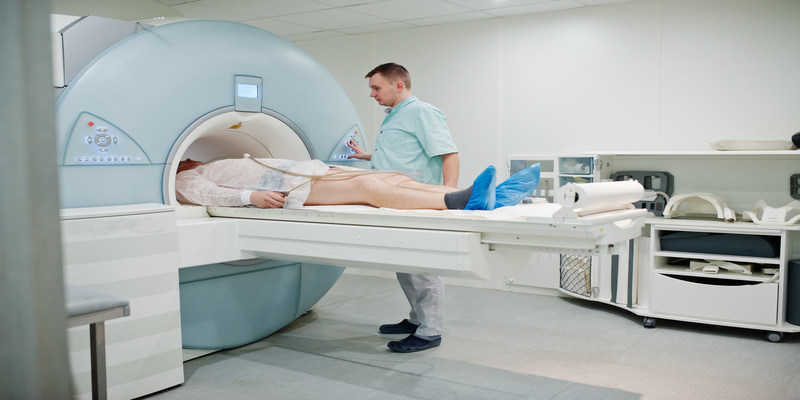
MRI (Magnetic Resonance Imaging) uses powerful magnets and radio waves to create detailed images of the body’s internal structures. Unlike X-rays or CT scans, MRI doesn’t rely on radiation. Instead, it measures how hydrogen atoms in your body’s tissues respond to the magnetic field, generating high-resolution images of soft tissue, cartilage, discs, tendons, and even nerves.
This level of detail is especially important after an accident. A single scan can reveal hidden injuries like a slipped disc pressing on a nerve, a torn rotator cuff, or inflammation deep within the muscles. It can also help distinguish between acute trauma and long-standing issues, which is crucial when determining the cause of pain and planning treatment.
What MRI Can Reveal: Common Soft Tissue and Nerve Injuries
After an accident, the most painful or debilitating injuries are often the ones you can’t see with the naked eye—or on an X-ray. MRI excels at uncovering these hidden issues, giving doctors a comprehensive look at the damage beneath the surface.
Some of the most common injuries MRI can detect include:
- Herniated or Bulging Discs: A car crash or fall can compress the spine, causing discs to shift or rupture. This can lead to nerve impingement, resulting in shooting pain, numbness, or weakness in the arms or legs.
- Ligament and Tendon Tears: MRIs can clearly show damage to soft tissues like the ACL in the knee, rotator cuff in the shoulder, or tendons in the ankle—injuries that X-rays simply can’t visualize.
- Muscle Strains and Deep Bruising: High-impact trauma often causes internal bruising and muscle tears, which can lead to swelling, stiffness, and chronic pain if left untreated.
- Nerve Compression or Damage: MRI is one of the best tools for identifying pinched or compressed nerves, especially in the neck and lower back. It can also help determine whether symptoms like tingling or numbness are coming from structural damage or inflammation.
- Joint Injuries: Labral tears in the shoulder or hip, meniscus tears in the knee, and other joint-related trauma can all be diagnosed using MRI.
By revealing these injuries early, MRI not only helps confirm what the patient is feeling but also allows for a targeted treatment plan—whether that means physical therapy, medication, or surgical intervention. Without this level of insight, serious injuries might go undiagnosed or untreated for months.
When to Consider an MRI After an Accident
Not every accident injury requires an MRI right away—but when symptoms persist or don’t match up with initial imaging, it’s often the next logical step. Understanding when to push for advanced imaging like an MRI can make a significant difference in both recovery time and long-term health outcomes.
You should consider an MRI if:
- Pain Persists Despite Normal X-Rays: If you’re still in pain days or weeks after an accident, but your X-rays didn’t show anything broken, it may be a sign of soft tissue or nerve damage.
- You Experience Numbness, Tingling, or Weakness: These symptoms often point to nerve compression or injury, which can be visualized with MRI but not on standard imaging.
- Range of Motion Is Limited or Worsening: A torn ligament or damaged tendon can cause stiffness and restricted movement in joints like the shoulder, knee, or neck. MRI can help pinpoint the problem.
- Swelling or Internal Bruising Is Suspected: Deep tissue injuries can cause internal bleeding or fluid buildup that leads to swelling and pressure. MRI helps detect and assess the severity.
- You’ve Been in a High-Impact Accident: Even if symptoms aren’t severe right away, a forceful collision or fall can cause delayed-onset injuries that gradually worsen. An MRI can catch early signs before they become chronic problems.
For patients under Dr. Wagner’s care, MRI is often recommended when initial treatments aren’t producing results, or when a deeper understanding of an injury is needed to move forward with a personalized treatment plan. It’s a powerful diagnostic tool that can help prevent long-term complications by identifying injuries that might otherwise go untreated.
MRI as Part of a Comprehensive Recovery Plan
An accurate diagnosis is the foundation of effective treatment. When X-rays don’t tell the whole story, MRI fills in the gaps—offering a clearer picture of what’s really going on beneath the surface. At Doctor Wagner, MRI isn’t used in isolation. It’s part of a larger strategy that combines advanced imaging with patient history, physical exams, and a tailored treatment plan designed to address your specific needs.
Whether you require physical therapy, pain management, surgical referral, or ongoing monitoring, the information gathered from an MRI helps ensure you get the right care at the right time. It’s about more than identifying injuries—it’s about supporting your full recovery and protecting your long-term health.
If you’ve been in an accident and are still dealing with pain, stiffness, or unexplained symptoms, don’t settle for vague answers or incomplete testing. Dr. Wagner can help you take the next step toward real relief. Contact us today to schedule a consultation and find out if an MRI is right for you.