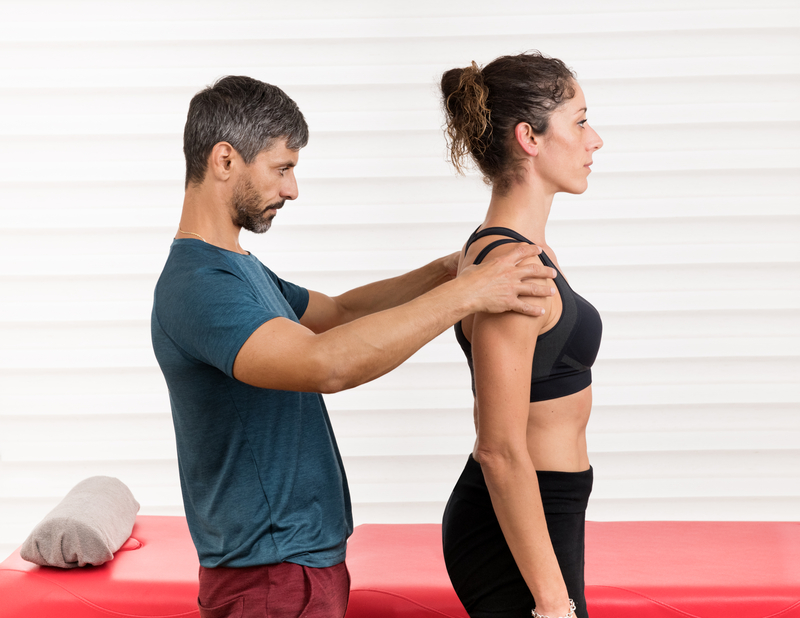
When most people think about recovering from a car accident, they picture medical exams, chiropractic adjustments, and maybe some physical therapy. But there’s an often-overlooked piece of the puzzle that can make a surprising difference in how quickly—and how completely—you heal: your posture.
After an accident, it’s natural to compensate for pain by sitting, standing, or sleeping differently. Over time, these subtle changes can place extra strain on your spine and muscles, slowing the healing process and sometimes creating new aches and pains. That’s why paying attention to posture isn’t just about looking confident—it’s an essential part of recovery.
In this post, we’ll explain why posture matters so much after an auto accident, how poor posture can hold back your healing, and practical tips you can start using today to protect your spine and speed up your recovery. Whether you’re seeing a chiropractor, doing at-home stretches, or just trying to get back to normal life, understanding the posture–healing connection is a powerful step forward.
Featured Injury Treatments
Why Posture Matters So Much After an Auto Accident
When your body goes through the sudden force of a car accident—even a seemingly “minor” one—it can throw your spine, muscles, and joints out of balance. This isn’t always obvious right away; pain and stiffness might develop hours or even days later as your body reacts to the trauma.
Good posture helps keep your spine aligned, which allows muscles, ligaments, and nerves to function the way they’re meant to. After an accident, your body is already working hard to heal soft tissue injuries like sprains, strains, and whiplash. Poor posture can add extra stress to these injured areas, making inflammation worse and slowing the healing process.
Beyond comfort, posture directly affects circulation and nerve communication. When your spine is properly aligned, blood flows more freely, bringing oxygen and nutrients to injured tissues. It also reduces nerve irritation, which can help limit pain and support natural healing. In other words, maintaining healthy posture isn’t just about sitting up straight—it’s about creating the best possible environment for your body to recover.
How Poor Posture Can Hold Back Your Healing
After an accident, it’s normal to feel sore, tense, or guarded. Many people unconsciously hunch forward, favor one side, or limit movement to avoid discomfort. While this might seem protective at first, holding your body in awkward or strained positions for days or weeks can actually slow your recovery—and even create new issues.
Increased muscle tension and imbalance
Poor posture places extra strain on certain muscle groups, forcing them to work harder to keep you upright. Over time, this can lead to muscle imbalances, where some muscles become overly tight while others weaken. For someone already dealing with whiplash or back strain from an accident, these imbalances can worsen pain, limit mobility, and make healing take longer.
Extra pressure on injured tissues
When your posture is off—like slouching forward or leaning to one side—you put more pressure on discs, ligaments, and joints that may already be inflamed. This added stress can slow down the body’s natural repair process and keep inflammation around longer than it needs to be.
Restricted circulation and nerve irritation
Slouching or twisting can compress blood vessels and nerves around your spine and shoulders. Reduced circulation means less oxygen and fewer nutrients reach damaged tissues, which can extend soreness and stiffness. At the same time, compressed nerves can send pain signals or cause tingling and numbness, making recovery even more uncomfortable.
New or worsening pain
Perhaps most importantly, poor posture doesn’t just slow healing—it can create new aches and pains that weren’t part of your original injury. Headaches, shoulder pain, hip discomfort, and even jaw tension can all arise from chronic postural strain after an accident. This makes it harder to tell what pain is from the crash itself and what pain is from your posture, complicating your treatment plan.
In short, posture isn’t just about appearance—it’s an active part of your body’s recovery system. Addressing posture early helps keep your spine in alignment, muscles balanced, and nerves calm—giving your body the best chance to heal fully.
Practical Posture Tips to Support Recovery
Recovering from an auto accident doesn’t mean you need to walk around like a statue—but paying attention to small posture habits each day can make a big difference. Here are some simple, chiropractor-approved tips to help protect your spine and support your healing:
1. Be mindful of your sitting posture
If you spend time at a desk, in the car, or on the couch, try to sit with your back supported, shoulders relaxed (not rounded forward), and feet flat on the floor. A small pillow or rolled-up towel placed at the lower back can help maintain your natural lumbar curve.
2. Move often
Even perfect posture becomes stressful if you stay frozen for too long. Every 20–30 minutes, gently stretch, stand, or walk around for a minute or two. These small breaks help relieve pressure on injured tissues and keep blood flowing.
3. Check your head and neck position
Many accident-related injuries involve the neck. Make sure your head isn’t jutting forward when you’re on your phone or computer—a common cause of extra strain. Keep screens at eye level whenever possible.
4. Sleep smart
Your posture matters even when you’re sleeping. Try to avoid stomach sleeping, which can twist the neck and spine. Instead, sleep on your back with a supportive pillow, or on your side with a pillow between your knees to keep your spine aligned.
5. Be gentle, not rigid
Good posture shouldn’t feel forced or stiff. Focus on keeping your shoulders open and your spine long, but stay relaxed. If you feel tension building up, gently stretch it out instead of locking your body into one “perfect” position.
6. Ask for guidance
Your chiropractor can evaluate your posture and suggest specific stretches, strengthening exercises, or ergonomic changes tailored to your injuries. Personalized advice often makes the biggest impact on recovery.
Small, consistent changes to your posture can speed healing, reduce pain, and help you feel more in control of your recovery journey.
Putting It All Together
Recovering from an auto accident isn’t just about treating pain—it’s about giving your body the best chance to heal fully and naturally. As we’ve explored, posture plays a surprisingly important role in that process: it helps keep your spine aligned, muscles balanced, and nerves calm, all of which support faster and more complete recovery.
By paying attention to how you sit, stand, move, and even sleep, you can protect injured tissues from further strain and help your body do what it’s meant to do: heal. Small, consistent posture habits—combined with professional care—often make the biggest difference between lingering pain and lasting relief.
If you’ve recently been in an accident and want personalized guidance on posture, recovery strategies, or chiropractic care, Doctor Wagner and his team are here to help. With years of experience treating auto accident injuries, we focus on practical, patient-centered care that supports your body’s natural healing process.
Don’t let posture problems slow down your recovery. Contact Doctor Wagner today to schedule your consultation and take the next step toward feeling like yourself again.